

Why Isn’t My Car Starting? Common Culprits and Troubleshooting
Few things are as frustrating as turning the key in the ignition, only to be met with silence instead of the reassuring rumble of your car’s engine. A non-starting car can throw a wrench into your plans and leave you scratching your head about what might be causing the issue. In this article, we’ll explore some of the most common reasons why your car might not be starting and provide you with troubleshooting tips to help you get back on the road.
Dead Battery
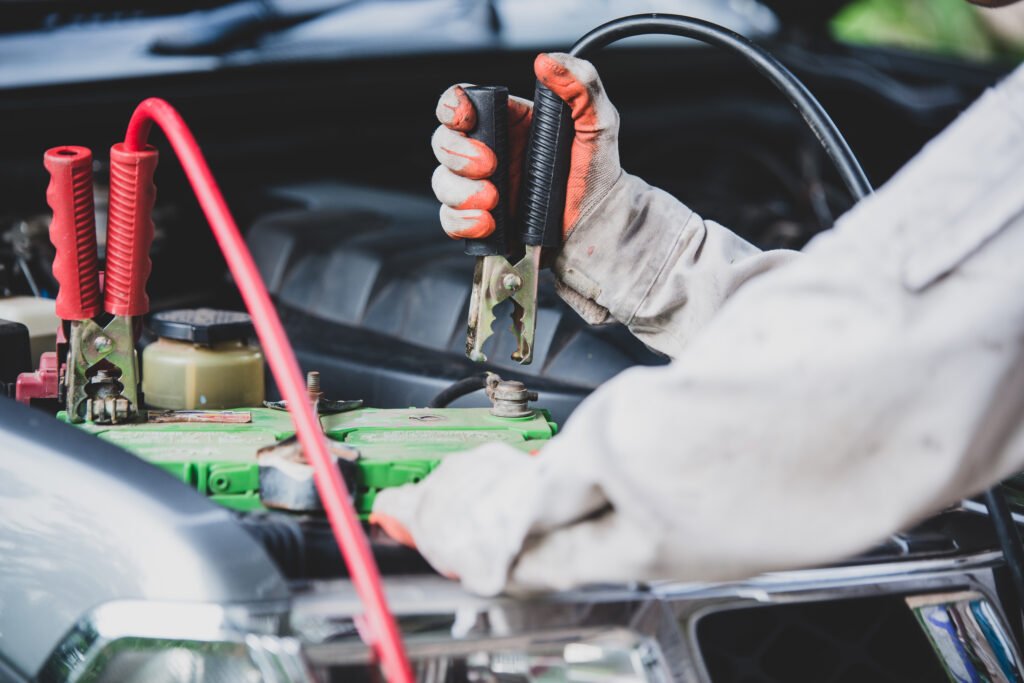
One of the primary culprits behind a car’s failure to start is a dead or weak battery. Over time, batteries can lose their charge due to a variety of factors, including extreme temperatures, leaving lights on, or simply from normal wear and tear. A dead battery will prevent the engine from turning over, leaving you stranded.
Solution: Jump-starting your car using jumper cables and another vehicle with a functioning battery can often provide a quick fix. However, it’s important to address the underlying battery issue by checking for corrosion on the terminals, testing the battery’s voltage, and considering a replacement if needed.
Faulty Starter
The starter is responsible for initiating the engine’s combustion process. If the starter fails, you’ll likely hear a clicking noise when you turn the key, but the engine won’t crank.
Solution: Tap the starter gently with a wrench or a hammer while someone tries to start the car. If it starts, it’s a sign that the starter is faulty and needs replacement.
Ignition Switch Problems
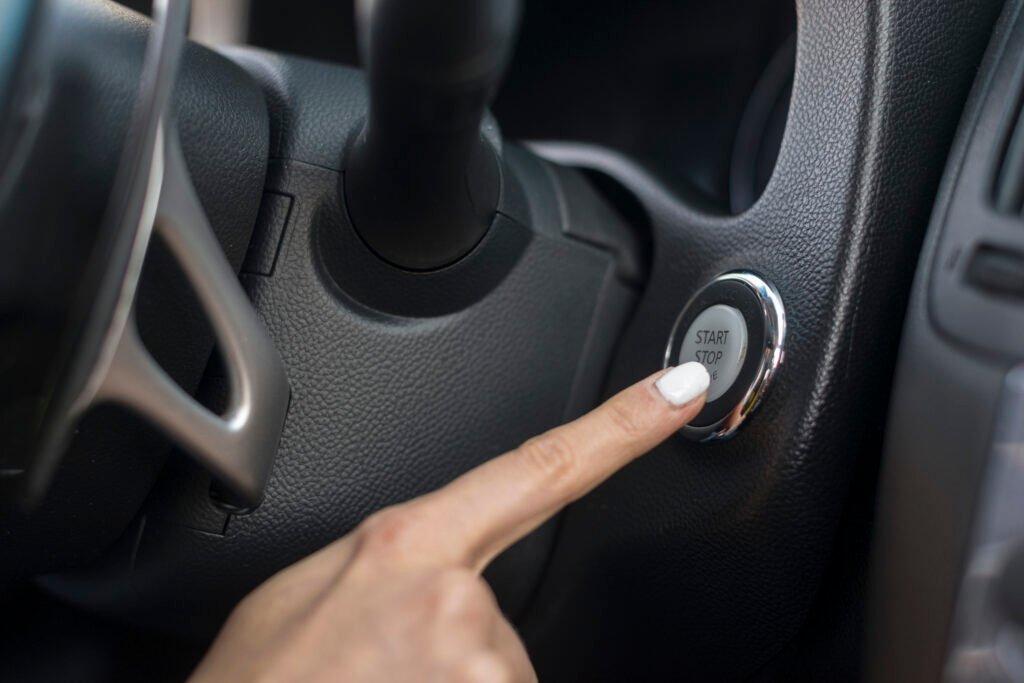
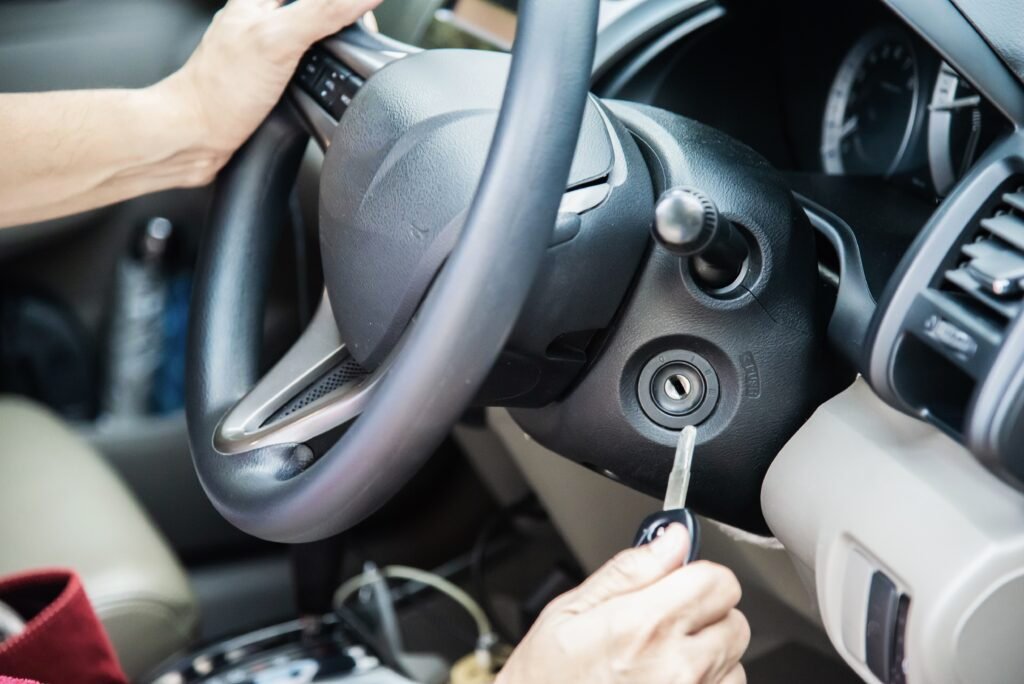
The ignition switch is the electrical component that sends power from the battery to the starter. If it’s malfunctioning, it can prevent your car from starting.
Solution: If you suspect an ignition switch issue, try turning the key while gently wiggling it. If the car starts, it could indicate a faulty ignition switch that needs to be replaced.
Fuel Delivery Issues
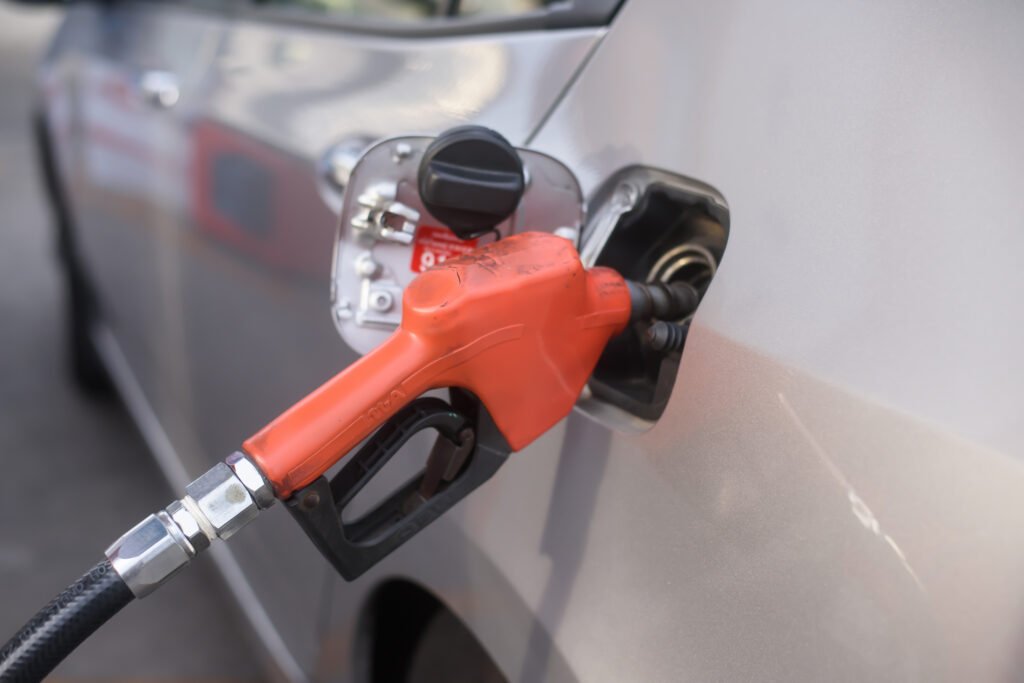
If your car isn’t getting the necessary fuel, it won’t start. This could be due to a clogged fuel filter, a malfunctioning fuel pump, or an empty fuel tank.
Solution: Check your fuel gauge to ensure you have enough fuel. If the tank isn’t empty, you might need to have your fuel system inspected by a mechanic.
Broken Timing Belt
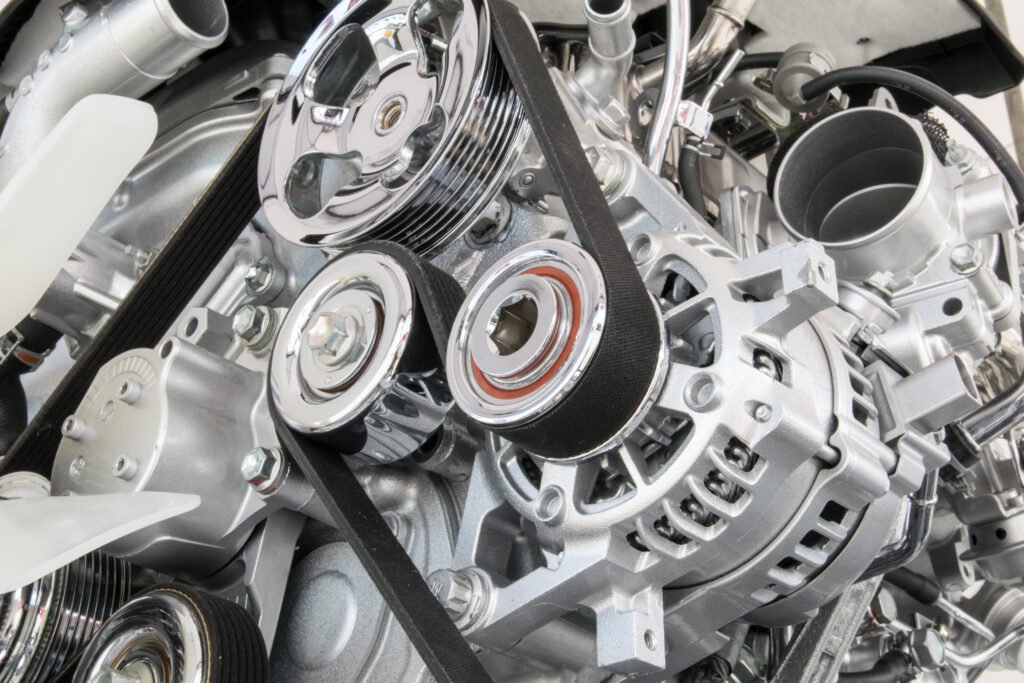
The timing belt synchronizes the rotation of the crankshaft and camshaft. If it breaks, your engine won’t be able to function properly.
Solution: If you suspect a broken timing belt, avoid attempting to start the car, as this could lead to further engine damage. Tow the vehicle to a repair shop for inspection and potential replacement.
Anti-Theft System Activation
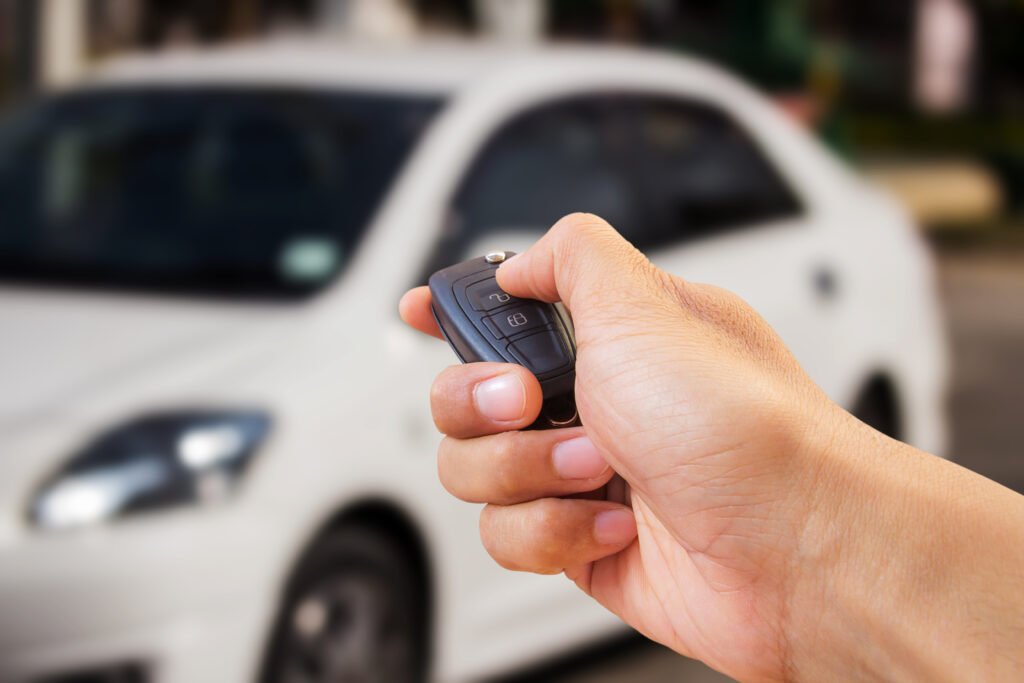
Some cars have advanced anti-theft systems that can sometimes erroneously prevent the car from starting if they detect suspicious activity.
Solution: Consult your car’s manual to understand how to reset or disable the anti-theft system. In some cases, you might need to contact the manufacturer or a dealership for assistance.
Conclusion
A car that refuses to start can be a real headache, but with a little patience and some basic troubleshooting, you can often pinpoint and address the issue. Whether it’s a dead battery, a faulty starter, or another underlying problem, taking the time to diagnose and fix the issue will get you back behind the wheel and on your way. If you’re not comfortable troubleshooting on your own, don’t hesitate to seek the expertise of a professional mechanic to ensure your car is running smoothly once again.
How to fix when Isn’t My Car Starting?
Fixing a car that won’t start depends on the underlying issue causing the problem. Here’s a step-by-step guide to help you troubleshoot and potentially fix the problem. Keep in mind that if you’re uncomfortable with any of these steps, it’s always a good idea to seek assistance from a qualified mechanic.
- Check the Battery:
- Turn on the headlights. If they’re dim or not working, your battery might be dead or weak.
- Try jump-starting the car using jumper cables and another vehicle with a working battery. Let the donor car run for a few minutes before attempting to start your car.
- Inspect the Ignition Switch:
- Make sure the gear selector is in “Park” (for automatic transmission) or “Neutral” (for manual transmission).
- Wiggle the steering wheel while turning the key to ensure the steering wheel lock is not engaged.
- Listen for Clicking Sounds:
- If you hear a rapid clicking sound when you turn the key, it could indicate a weak battery or a faulty starter. Try jump-starting the car to see if that helps.
- Check Fuel Supply:
- If the engine cranks but doesn’t start, your car might have a fuel-related issue.
- Turn the key to the “On” position (not start) and listen for a humming sound near the fuel tank. This sound indicates the fuel pump is working.
- Ensure you have enough fuel in the tank.
- Inspect Spark Plugs and Ignition Coils:
- If the engine cranks but doesn’t start, worn-out spark plugs or malfunctioning ignition coils could be the issue.
- Remove a spark plug and check its condition. If they are worn or fouled, consider replacing them.
- Inspect the ignition coils for visible damage. Replace any that appear damaged.
- Check for Security System Issues:
- If the security light on the dashboard is blinking, the security system might be preventing the engine from starting.
- Refer to your vehicle’s manual for steps to reset or bypass the security system.
- Inspect Fuses and Relays:
- Check the fuse box for any blown fuses related to the starting system.
- Swap identical relays to see if that resolves the issue. A faulty relay could prevent the starter from receiving power.
- Try Starting in Neutral (Manual Transmission):
- If you have a manual transmission and the clutch safety switch is malfunctioning, try starting the car in neutral with the clutch pedal depressed.
- Professional Help:
- If you’ve gone through the above steps and your car still won’t start, it’s time to seek professional help from a mechanic.
- A mechanic can perform advanced diagnostics, such as checking the starter motor, alternator, and other components.
- Preventive Measures:
- Regularly maintain your vehicle by following the recommended maintenance schedule.
- Keep your battery terminals clean and secure to ensure proper electrical connections.
- Address any dashboard warning lights promptly to prevent potential issues.
Remember, safety should always be a priority. If you’re unsure about any step or if your attempts to fix the issue aren’t successful, it’s best to consult a professional mechanic to diagnose and resolve the problem.